Retail-Driven Climate Action: Berryvale Grocery's Sustainable Refrigeration Upgrade
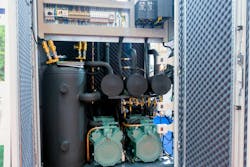
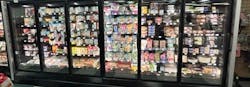
A natural foods grocery store in rural northern California is reducing emissions by converting its refrigeration rack system to one using carbon dioxide (CO2) as the refrigerant.
Berryvale Grocery in Mount Shasta replaced its decades-old, high global warming potential (GWP) R-404A/R-417C rack system with an ultra-low-GWP transcritical CO2 system. The upgrade reportedly improves reliability and delivers an estimated reduction in greenhouse gas emissions equivalent to 84 gas-powered cars driven for one year.
The new project was helped with $113,040 in funding through the California Air Resources Board’s F-gas Reduction Incentive Program (FRIP). The North American Sustainable Refrigeration Council (NASRC) served as third-party administrator for the program.
“Berryvale’s project demonstrates exactly what FRIP was designed to accomplish,” said Danielle Wright, NASRC executive director. “By supporting small and rural retailers in transitioning to climate-friendly refrigeration, we’re delivering measurable emissions reductions while strengthening the long-term resilience of essential community businesses.”
In addition to funding, Berryvale Grocery received technical assistance from NASRC, which helped the team navigate system planning considerations and submitted the successful grant application.
“While the project required significant planning and flexibility, the outcome has been a more reliable, efficient and future‑ready refrigeration system that better serves our store and community,” said Berryvale Grocery team members Jeremy Snure, facility maintenance, and Sabrina Doyle, general manager.
A transcritical CO2 system utilizes the natural refrigerant utilizes various pressures to chill the gas. It uses a flash gas valve to maintain pressures.
The C02 system reportedly provides 10% energy savings over hydrofluorocarbon gases, according to government reports and studies gleaned from AI search tools.
Taming Digital Transformation to Improve Energy Management
This Week's Free Webinar with Siemens Digital Industries
Live on Tuesday and On Demand Afterward