How Equipment Recovery Affects the Economics of Industrial Energy Upgrades
Key Highlights
- Resale proceeds from usable electrical equipment can offset the cost of new infrastructure.
- Redeploying compatible assets may avoid procurement costs, but efficiency and operating expenses should be considered.
- Testing, removal, transport, and storage costs can affect the net value of recovery.
- Recovery proceeds can reduce net project investment and shorten simple payback periods.
- Reuse and recycling can extend asset life, conserve materials, and reduce waste.
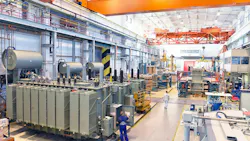
Industrial energy upgrades require significant capital investment. Replacing electric motors, transformers, and switchgear involves equipment procurement, installation, and potential operational downtime. Facility managers must evaluate these expenses alongside the expected energy savings and long-term operating costs.
An often-overlooked financial consideration is the remaining value of existing electrical equipment. Even when equipment no longer meets a facility’s efficiency targets or operational requirements, it may still have resale value or serve another application through redeployment.
Assessing these recovery opportunities before an upgrade can help industrial energy users offset replacement costs and reduce net capital requirements. Resale proceeds and avoided equipment purchases can also influence project payback periods and decisions about future infrastructure investments.
What Role Does Equipment Recovery Play in Industrial Energy Upgrades
Equipment recovery involves assessing electrical assets scheduled for replacement and identifying opportunities to recover their remaining value. During industrial energy upgrades, facilities can evaluate existing motors, transformers, and switchgear to determine how these assets may contribute financially to modernization projects.
Facility managers can consider three recovery options based on equipment condition, technical suitability, and potential financial returns:
- Resale: Selling usable equipment to other industrial operators.
- Internal redeployment: Reusing compatible equipment at another facility to avoid additional procurement costs.
- Recycling: Recovering materials such as copper, steel, and aluminum when equipment cannot be reused economically.
Assessing these options before replacement begins helps facility managers estimate recovery proceeds, plan equipment removal, and account for potential financial returns in capital budgets.
Early evaluation is particularly important because equipment condition, market demand and removal requirements can affect its recovery value. Identifying potential buyers or alternative applications before equipment is removed can help facilities preserve resale and redeployment opportunities.
How Does Equipment Recovery Affect the Economics of Industrial Energy Upgrades?
Equipment recovery can influence the overall economics of industrial energy upgrades by helping facilities recover value from existing electrical assets. The financial benefits depend on equipment condition, recovery costs and the availability of suitable buyers or alternative applications. Below are the key ways equipment recovery can affect project costs and capital investment decisions.
1. Reduces Net Capital Investment Through Equipment Resale
Selling existing electrical equipment can help industrial facilities offset part of the capital required for infrastructure upgrades. Functional motors, transformers, and switchgear may retain resale value, depending on their condition, technical specifications, and market demand.
For example, a manufacturing plant upgrading its power distribution system may replace a functional transformer with a more efficient or higher-capacity model. The facility could sell the existing transformer to another industrial operator instead of disposing of it. After deducting testing, removal, and transportation expenses, net resale proceeds can offset part of the new equipment investment.
2. Extends Equipment Life Through Reuse and Upgrades
A U.S. Department of Energy case study illustrates this approach at Toyota's manufacturing plant in Georgetown, Kentucky. Toyota installed variable-frequency drives on existing fan motors to improve energy efficiency without replacing the complete motor systems. The $1.25 million project was expected to save approximately 11.7 million kWh and $700,000 in electricity costs annually, with a simple payback period of 1.8 years.
3. Affects Equipment Removal and Disposal Costs
Recovering electrical equipment during industrial energy upgrades can affect the costs associated with asset removal and disposal. While resale or redeployment may reduce disposal expenses, facilities must account for additional costs such as equipment testing, transportation, temporary storage, and specialized handling.
For example, a manufacturing plant replacing aging switchgear may recover components that remain suitable for reuse or resale after appropriate inspection and testing. This approach could reduce disposal costs, but safe dismantling and transportation may increase overall handling expenses. Comparing these costs with the expected recovery value helps facility managers determine how equipment recovery affects the total project budget.
4. Can Shorten Payback Periods
Equipment recovery can improve the financial performance of industrial energy upgrades by reducing the net initial investment. Unlike recurring electricity savings from more efficient equipment, resale proceeds provide a one-time financial benefit. These proceeds can shorten the simple payback period and improve project ROI, depending on the overall costs and financial returns.
For example, consider a manufacturing facility investing $500,000 in electrical infrastructure upgrades that generate $100,000 in annual net operating savings. Without equipment recovery, the simple payback period is five years. If the facility receives $75,000 in net proceeds from selling replaced equipment, its net initial investment falls to $425,000. This reduces the simple payback period to 4.25 years, allowing the facility to recover its investment nine months earlier without increasing the project's annual energy savings.
How Does Recovery Value Influence Industrial Energy Upgrade Decisions?
Recovery value is one factor facility managers should consider when evaluating industrial energy upgrades. Alongside expected energy savings and replacement costs, it can influence equipment selection, project timing, and capital allocation.
1. Comparing Equipment Replacement Costs With Recoverable Value
Facility managers should compare the total installed cost of new electrical equipment against the net resale proceeds expected from existing assets. Purchase, installation, and commissioning costs determine the initial investment, while equipment condition, age, remaining service life, and market demand influence potential recovery value. This comparison helps assess the net capital required for different upgrade options.
2. Evaluating Redeployment Against Energy Efficiency Gains
Existing equipment may retain useful service life without being economical to operate in another application. For example, redeploying an older electric motor could avoid a new purchase, but higher electricity consumption may offset those savings. Comparing motor efficiency, operating hours, electricity costs, maintenance requirements, and relocation expenses helps determine the financial value of redeployment.
3. Accounting for Recovery Value in Capital Budgeting
Facility managers can include estimated recovery proceeds as future cash inflows when preparing project budgets. However, actual resale returns may differ from initial valuations due to equipment condition, buyer demand, and transaction costs. Since proceeds may arrive after replacement expenses, project cash flow forecasts should account for their timing and uncertainty.
What Are the Sustainability Benefits of Recovering Equipment During Energy Upgrades?
Recovering electrical equipment during industrial energy upgrades can extend the service life of existing assets and reduce industrial waste. Functional motors, transformers, and other electrical infrastructure can continue serving suitable applications instead of entering the waste stream after replacement.
Reusing this equipment can also reduce demand for newly manufactured units, helping conserve raw materials such as copper, steel, and aluminum. By avoiding some new equipment production, facilities may reduce the energy consumption and carbon emissions associated with material extraction, processing, and manufacturing.
Equipment recovery can further reduce the amount of electrical waste requiring disposal or recycling. However, facilities should consider the operating efficiency of recovered equipment, as higher electricity consumption may offset some environmental benefits of reuse.
Equipment recovery can improve the economics of industrial energy upgrades by generating resale proceeds, avoiding new equipment purchases through redeployment, and reducing or offsetting removal and disposal costs. These factors can reduce net project investment and influence decisions about facility modernization.
To assess the full financial impact, facility managers should consider potential recovery value alongside expected energy savings, installation expenses, and capital requirements. Evaluating existing motors, transformers, and switchgear before replacement begins helps identify viable recovery opportunities and account for their potential value in project budgets. Early planning also gives facilities time to compare resale, redeployment and recycling options before committing to equipment removal.
About the Author
Luke Crihfield
Luke Crihfield is Senior Director of Revenue at Amplio, helping manufacturers turn surplus into opportunity through AI-driven growth.
Related
 energytech_image
 Edgeconnex