Pattern Energy Launches 3,650-MW New Mexico Wind Farm to Power 1M+ Homes
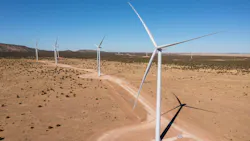
Renewable energy developer and operator Pattern Energy is set to begin commercial operations this month on its 3,650 MW wind farm in New Mexico.
The $11 billion SunZia Wind Project, consisting of 916 wind turbines, is considered the largest wind farm in the U.S., according to the U.S. Energy Information Administration (EIA). For comparison, the EIA highlights that the SunZia project is three times larger than the next two largest U.S. wind farms, Alta Wind in Southern California (1,098 MW) and Great Prairie in northern Texas (1,027 MW).
The SunZia wind farm will span across three counties: a northern section in San Miguel and Lincoln counties (242 turbines), and a southern section in Lincoln and Torrance counties (674 turbines).
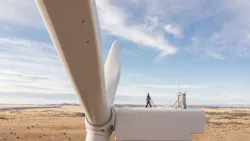
GE Vernova supplied 674 of its wind turbines. Danish company Vestas supplied the remainder of the project turbines.
Together, the SunZia Wind Project will bring total wind capacity in New Mexico up to 7,647 MW. This added capacity brings New Mexico’s wind mix to 45% of the overall portfolio, with solar and natural gas accounting for 19% each.
New Mexico researchers state the SunZia wind farm is expected to produce enough electricity to power more than 1 million homes based on its overall output. Having spent about two decades on permitting and planning, Pattern Energy began construction on SunZia Wind and SunZia Transmission in 2023.
The projects are expected to drive over $20 billion in total economic impact from direct investments and regional business spending. This includes $1.3 billion in fiscal benefits for local governments, schools and other communities across New Mexico and Arizona.
Pattern Energy will use a 550-mile high-voltage transmission line to deliver the project’s wind power generated to Arizona and California.
SunZia Wind will deliver about 3 GW of its capacity via direct transmission line to south-central Arizona, according to the company. About 2.1 GW of this power capacity will be delivered to Southern California through the Palo Verde Substation.
While land-based wind energy is flourishing, the Trump Administration has opposed new offshore projects since taking office.
Grid interconnection backlogs, sluggish permitting and complex regulatory processes often drive up wind project costs, thereby delaying renewable wind projects at scale.
About the Author
 Eric Moody