Fervo Energy Expands Google Partnership through 396-MW Geothermal Deal in Utah
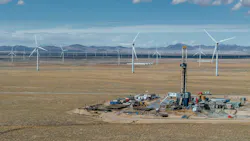
Geothermal developer Fervo Energy and tech giant Google are expanding their ongoing partnership, signing a 396-MW power purchase agreement (PPA) to continue developing the Cape Station energy project in Utah.
Fervo's overall 500-MW multi-phase geothermal development is expected to deliver around-the-clock carbon-free electricity, with full-scale production of the expanded phase targeted by 2028. The initial 100-MW phase is still under construction and due to be completed next year.
According to a company release, Google intends to purchase and use this carbon-free energy as a foundational building block for a potential data center in Utah.
Fervo, which uses technology carried over from oil and gas drilling to generate geothermal-based power, notes that this PPA extends beyond the initial deployment phase of the Cape Station project at no cost to existing ratepayers. Furthermore, Google will retain the option to expand its offtake agreement by an additional 600 MW, which could bring its total capacity to nearly 1 GW by June 2030.
“The next chapter of advanced power generation technology is being written in Utah,” said Michael Terrell, head of advanced energy at Google, in a statement.
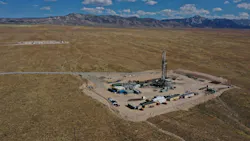
This advanced approach centers on enhanced geothermal systems (EGS) method and Fervo's modular "GeoCluster" buildout.
As the U.S. Department of Energy (DOE) explained, EGS create human-made geothermal reservoirs by injecting fluid deep underground to control conditions and engineer new fractures. Those fractures re-open pre-existing fractures, allowing fluid to passage through hot subsurface rock more efficiently to generate electricity at the surface.
Increasing this flow, also known as permeability, allows fluid to circulate through the hot subsurface rock, absorbing its heat in the process.
In traditional geothermal systems, DOE notes there isn’t enough natural permeability in many areas, which is why human-made solutions are needed to tap this global heat supply.
To optimize this rollout, Fervo constructs interconnected grid facilities known as GeoClusters across its multi-MW leased land sites. These physical networks formed from 50-MW "GeoBlock" power plant units are built out to form a reliable continuous power supply designed to meet the needs of hyperscalers like Google.
Fervo states this GeoCluster approach for data center development enables flexible power delivery pathways under Utah's SB132 (Electric Utility Amendments bill), which aims to modernize the state's energy regulatory framework.
"This agreement reinforces that EGS is ready to power the next generation of computing infrastructure," said Tim Latimer, CEO and co-founder of Fervo Energy. "As demand for reliable electricity grows, customers like Google need energy resources that can be deployed at scale, operate around the clock, and deliver where power is needed. This new PPA is part of our repeatable commercial model that enables us to meet customer needs and directly deliver clean, firm power to large electricity users.”
The Cape Station project reportedly has the potential to channel $1.1 billion through supply chain agreements, construction and employment once fully operational. In May, Fervo raised $1.9 billion in gross proceeds from its initial public offering (roughly $2.2 billion across all options) to fund its upcoming developments across the U.S.
Fervo's largest investment partners are Devon Energy Corp., holding 12.45% and Capricorn Investment Group., holding just shy of a 12% stake in the company.
In 2023, Fervo and Google began their partnership in Nevada for Project Red, Fervo’s commercial pilot project that delivers power to the local grid, including Google's data centers in the state. In 2024, Fervo signed a 115-MW PPA with Google and NV Energy to bring more geothermal energy onto the Nevada grid.
About the Author
 Eric Moody