Global Energy Transition Advances, but Fossil Fuel Demand and Emissions Continue to Rise
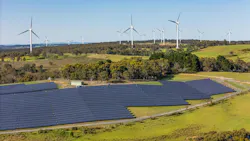
The global energy transition is progressing, but improvements in energy efficiency and renewable energy adoption are not yet translating into broad reductions in fossil fuel consumption and emissions, according to the 2026 Energy Institute Country Transition Tracker.
Published during COP31, the Tracker analyzes energy data from approximately 80 of the world's largest energy-consuming countries, representing more than 96% of global energy consumption and 95% of emissions. The analysis draws on the Energy Institute Statistical Review of World Energy and measures progress across eight indicators, including fossil fuel consumption, renewable energy use, power sector decarbonization and energy intensity.
The findings show that many countries are becoming more efficient in their energy use. Between 2017 and 2025, 83% of the countries covered reduced their economy-wide energy intensity, while 86% improved the carbon intensity of their energy consumption.
However, global fossil fuel consumption increased 8% over the same period, an increase of 40 exajoules (EJ). Natural gas consumption rose nearly 15%, while coal increased 7% and oil consumption grew 5%. Energy-related greenhouse gas emissions also increased by an average of nearly 1% annually between 2017 and 2025.
Key findings from the tracker include:
-
Renewable energy adoption is accelerating, but its overall contribution remains limited. Renewable energy consumption, including hydropower, increased in 74 of 79 leading countries between 2017 and 2025. Global consumption grew more than 60%, but renewables still accounted for just 8.6% of total energy demand in 2025.
-
European countries lead several measures of transition progress. The United Kingdom, Spain, France and Germany ranked among the top five performers across five or six of the Tracker's metrics. Italy and Brazil ranked in the top five across four metrics. Germany recorded the largest absolute reduction in emissions, at 222 million metric tons.
-
The power sector is advancing faster than the broader energy system. France had the highest share of low- and zero-carbon electricity generation among the countries assessed, at 95%, including 68% from nuclear power. Brazil followed with 89%.
-
Major energy-consuming countries continue to contribute significantly to emissions growth. Between 2017 and 2025, energy-related emissions increased by 2,096 million metric tons in China and 783 million metric tons in India. The United States accounted for 36% of the increase in global energy-related greenhouse gas emissions in 2025 compared with the previous year. U.S. coal consumption also increased for the first time since the post-pandemic rebound in energy demand in 2021.
"The message from this year's Country Transition Tracker is that there is no single global energy transition moving at one speed," said Gemma Regniez AMEI FRSA, Energy Institute director of external affairs. "Progress is real, particularly on energy efficiency, carbon intensity and the growth of renewable energy, but it is uneven between countries and between different parts of the energy system."
Regniez said the continued growth in fossil fuel consumption and energy-related emissions underscores the challenge facing countries as they work to meet rising energy demand while reducing emissions.
The Tracker's analysis of the 21 countries responsible for approximately 80% of global energy demand offers another perspective on the challenge. When primary energy intensity, renewable energy's share of the energy mix and energy-related carbon dioxide equivalent emissions are considered together, France is the only country positioned in the Tracker's target decarbonization quadrant.
The eight indicators used in the Tracker include energy-related greenhouse gas emissions, fossil fuel consumption, renewable energy consumption, power sector decarbonization, energy-system carbon intensity, energy consumption per capita, economy-wide energy intensity and economy-wide carbon intensity.
The analysis builds on the Energy Institute's 2026 Statistical Review of World Energy, published in June, which found that global energy demand surpassed 600 EJ for the first time in 2025. Although renewable energy continued to grow faster than fossil fuels and accounted for the largest source of additional energy supply outside periods of recession, fossil fuels still provided more than 85% of the world's energy.
The full 2026 Country Transition Tracker, including country-level data and interactive analysis, is available through the Statistical Review of World Energy.
For additional analysis, read New Energy World's accompanying article, "Deep divisions detected in the global energy transition".