Expanding EGS Capabilities: Quaise Energy Signs 50-MW ‘Superhot’ Geothermal PPA with Google to Power Oregon Grid

Geothermal project developer Quaise Energy is building momentum toward commercializing utility-scale superhot geothermal energy after signing a 50-MW power purchase agreement (PPA) with tech giant Google.
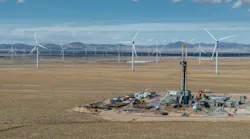
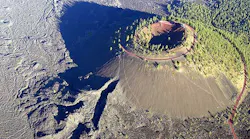
The 15-year PPA will source power from Project Obsidian, Quaise’s flagship project in Central Oregon, which is expected to deliver energy to the Pacific Northwest grid by 2030. Targeting an average reservoir temperature of over 572°F, the project also received a boost in September when Quaise was awarded up to $25 million from the U.S. Department of Energy (DOE) to advance the power plant.
According to a company release, Google will purchase all of the 50 MW from Project Obsidian for 24/7 carbon-free energy use across its existing data centers in The Dalles, Oregon (75 miles east of Portland), and surrounding communities. The power will support three Google data center campuses that have reportedly achieved 83% carbon-free energy.
The partnership will also benefit residents served by the Northern Wasco County People’s Utility District, a locally controlled public power and utility reported to have the third-lowest energy rates in the state. Google stated it intends to cover infrastructure needs directly associated with the project under the PPA.
“Google data centers are long-term investments in the communities we call home,” said Lucia Tian, head of advanced energy technologies at Google, in a statement. “This collaboration with Quaise on superhot geothermal will help fuel local economic growth while helping to build a more robust and affordable energy future for Oregon.”
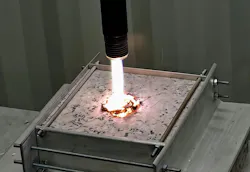
Quaise noted that Project Obsidian’s initial development phase will use conventional drilling to access superhot geothermal conditions at commercial scale. The second phase is expected to deploy millimeter-wave drilling, a technology that plugs into existing drilling rigs to uniquely access superhot rock worldwide.
According to the DOE’s Advanced Research Projects Agency‑Energy (ARPA-E), superhot geothermal uses the Earth’s natural heat to generate up to 10 times more clean power per well than traditional geothermal systems. ARPA-E noted that conventional geothermal wells max out around 5 to 10 MW of electrical output, whereas superhot reservoirs above 705°F can yield 30 to 50+ MW per well.
Unlike traditional geothermal energy, which is limited to regions with naturally occurring hot water reservoirs rarely exceeding 400°F, Quaise is developing enhanced geothermal systems (EGS) to compete with modern power plants.
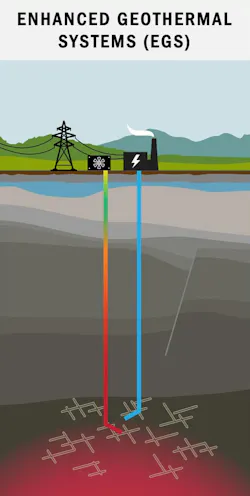
As DOE explained, EGS creates human-made geothermal reservoirs by injecting fluid deep underground to control conditions and engineer new fractures. Those fractures re-open pre-existing fractures, allowing fluid to pass through hot subsurface rock more efficiently to generate electricity at the surface.
Increasing this flow, also known as permeability, allows fluid to circulate through the hot subsurface rock, absorbing its heat in the process. In traditional geothermal systems, DOE notes there isn’t enough natural permeability in many areas, which is why human-made solutions are needed to tap this global heat supply.
Quaise claims that pairing EGS with millimeter-wave drilling makes reaching superhot conditions economically viable worldwide.
“We started Quaise to make the Earth’s most abundant energy source universally accessible — and this agreement marks a critical next step, not just for Quaise but for the entire clean energy sector,” said Carlos Araque, CEO and President of Quaise Energy. “Together with Google, we are building the commercial foundation for superhot geothermal and cementing the United States as the global leader in geothermal power.”
The deal builds on Quaise’s August milestone when it closed a $180 million Series B financing round that included a $35 million investment from Nabors Industries. It also follows Google’s September partnership with developer Fervo Energy, which included a 396-MW PPA to expand geothermal technologies and the Cape Station energy project in Utah.
About the Author
 Eric Moody