Ammonia-to-H2: Amogy Taps South Korean Manufacturer HCE to Clear Path for Commercialization of Zero-Carbon Power Systems
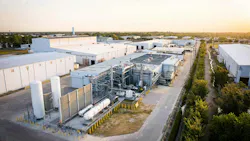
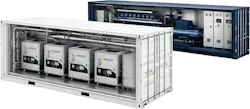
Next-gen power generation provider Amogy is advancing zero-carbon ammonia-to-power solutions, delivering modular systems that convert liquid ammonia (NH3) into clean hydrogen (H2) to power fuel cells and hydrogen combustion engines.
To scale these efforts, the New York-based company operates a major Houston manufacturing and ammonia-testing facility called ATHENA in Texas for its fuel-to-power generator commercialization plans. Outside of ATHENA, Amogy plans to deploy its AMMDrive system domestically and overseas to convert ammonia fuel into zero-carbon power.
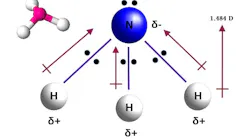
Clean ammonia offers a “green” alternative to transport and power generation fuels. Its high hydrogen content within the molecular structure, which can be separated through the cracking process, also creates potential for converting this H2 gas into commercially operational power resources such as carbon-free generators.
Clean ammonia represents a broader lens of making ammonia "clean" through methods like carbon-captured production—while green ammonia is a specific zero-carbon pathway sourced from renewable production from the start (versus being converted to it).
Cross-border alliance targeting South Korean grid
The ammonia-to-power firm is implementing this engine-based approach in partnership with HD Construction Equipment (HCE) after completing testing at the ATHENA facility. HCE, a major South Korean machinery and construction equipment manufacturer, is pairing its HX22 hydrogen engine generator with Amogy’s AMMDrive system to convert ammonia into a hydrogen-rich fuel stream on site.
According to a release, the companies will pair the AMMDrive system directly with HCE’s hydrogen engine generator to produce electricity for Amogy’s first commercial plant in Pohang, South Korea. The cross-border collaboration will feed power into South Korea's electrical grid while validating the integrated system during phase one of the Pohang distributed power generation project, keeping operations on track to launch in Q2 2027.
Amogy noted the project will begin with a 1-MW Phase 1, aiming to reach up to 40 MW of generation capacity by 2029 to support larger commercial applications thereafter in Pohang and beyond.
“This test is a major step toward commercial operation in Pohang in 2027,” said Seonghoon Woo, CEO of Amogy, in a statement. “We’ve now run the configuration we will deploy, with HCE’s engine operating on ammonia-derived hydrogen fuel. Our focus is commercial execution, delivering projects like Pohang on schedule and scaling capacity to meet larger power needs.”
Overseas policy mandates: Accelerating path from pilot to commercial adoption
The partnership helps Amogy validate its U.S. clean tech intellectual property, engineering and testing as a foundation model for broader deployment in U.S. and global markets. South Korea’s strict national mandates, which require power utilities to blend carbon-free fuels like hydrogen and ammonia into their electricity generation mix, create immediate commercial demand. This marks a sharp contrast to the U.S. market, where adoption is driven primarily by grid constraints ahead of federal fuel mandates and often faces slower permitting than in East Asia.
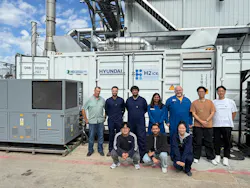
“Our collaboration with Amogy represents an important step toward advancing hydrogen-powered generation solutions,” said Sungho Jeon, vice president and head of power solutions sales at HCE. “By combining our hydrogen engine technology with Amogy’s ammonia-to-hydrogen technology, we aim to accelerate the commercialization of clean power solutions for various industrial applications.”
Clean power alternative for U.S. data centers and microgrids
The companies aim to de-risk the technology in South Korea for U.S. utilities and data center operators seeking commercial track records. HCE stated that the Houston test gave them their first U.S. operating reference for the HX22 engine on ammonia-derived fuel. The milestone is a boost for HCE, which will align Amogy's tech with its existing gas engine business.
Building on its existing North American footprint, HCE announced on Nov. 10 an approximately $121.9 million, two-year contract to supply gas generator engines to Power Solutions International, Inc. (PSI), a North American power generation and engine solutions provider.
Unlike solar or wind, ammonia-to-power systems can provide continuous, dispatchable baseload electricity. It’s an alternative that directly addresses the massive power shortages hyperscalers and industrial facilities are facing in the U.S. amid a growing AI boom.
About the Author
 Eric Moody
Staff Writer
Related
 nh3dipolemoment
 ammonia_dreamstime